
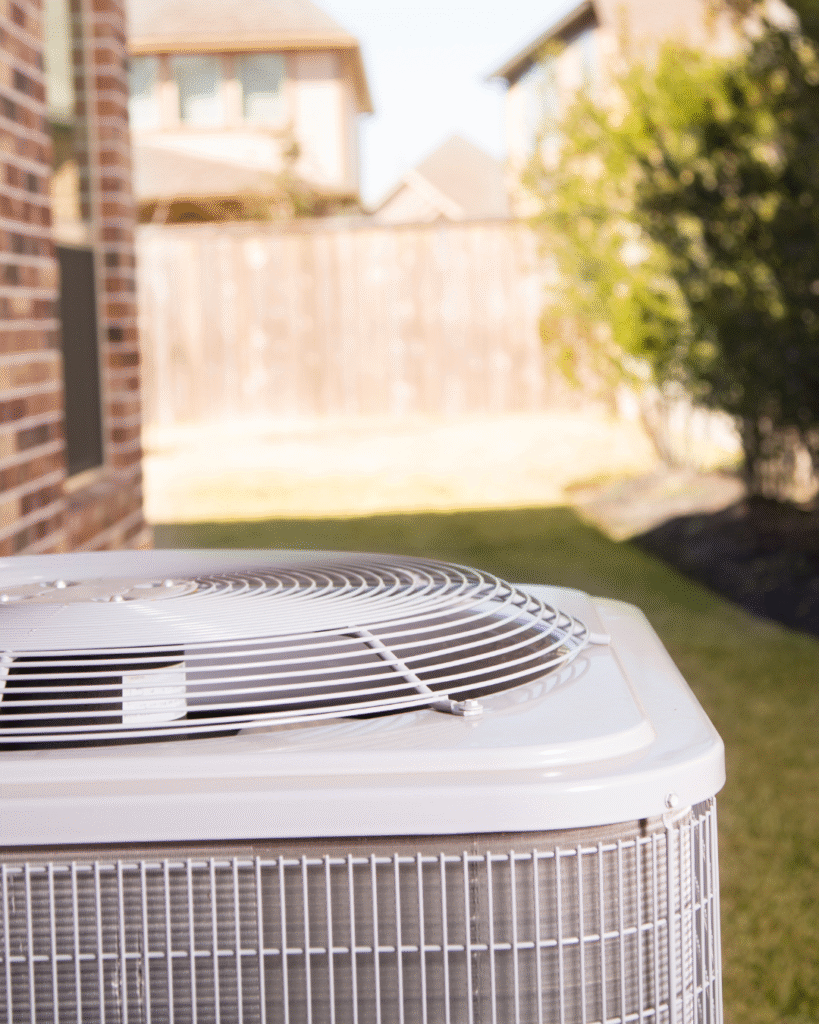
The first real heatwave of summer catches many Thornton homeowners off guard, and not just because of the temperature. It is often the moment they discover their air conditioner is not up to the task. Calls for AC repair spike dramatically during the first stretch of 90-plus degree days, and the reason goes beyond bad timing. There are specific, predictable reasons why air conditioners break down at exactly this moment, and understanding them can help you avoid being left without cooling when you need it most.
The Problem With Going from Idle to Maximum Demand
For most of the spring, your air conditioner sits dormant or runs only occasionally during mild afternoons. Then the first heatwave arrives, and the system goes from minimal use to running continuously for hours or even days on end.
This sudden shift to maximum-capacity operation acts as a stress test. Any component that was quietly weakening over the fall and winter gets pushed to its limit all at once. Issues that never showed up during a 70-degree April afternoon become full failures when outdoor temperatures climb past 95 degrees.
Thornton’s Front Range location adds to the challenge. The combination of high altitude, intense UV exposure, and dry air accelerates wear on specific components, making local systems more vulnerable to this kind of seasonal strain than homeowners in other climates might expect.
The Most Common Reasons AC Systems Fail in the First Heatwave
Weakened Electrical Capacitors
Capacitors are small cylindrical components that give your AC’s motors the electrical boost needed to start up. Every time your system cycles on and off, capacitors absorb some of that load. Over thousands of cycles and repeated exposure to extreme temperature swings, they gradually weaken.
A capacitor that is degraded but not yet dead may function adequately on a mild day. When outdoor temperatures push past 90 degrees and the compressor needs maximum starting power, a weak capacitor simply cannot deliver. The result is a system that hums, struggles to start, or shuts down entirely.
Dirty Condenser Coils
Your outdoor unit works by releasing heat from inside your home into the outside air. For this process to work, the condenser coils need to be reasonably clean. Spring in Thornton brings wind, pollen, cottonwood, and dust that coat the outdoor fins over weeks of sitting idle.
During the first heatwave, a dirty condenser cannot shed heat efficiently. The system overworks itself trying to compensate, temperatures inside the unit rise beyond normal operating range, and the system trips a breaker or shuts itself down as a protective measure.
Clogged Air Filters
When heatwaves hit, air conditioners run for long, continuous stretches rather than short cycles. A dirty air filter that may not have caused obvious problems during occasional spring use becomes a serious issue when the system is running hard for hours at a time.
Restricted airflow caused by a clogged filter prevents enough warm air from passing over the evaporator coils. Without that airflow, the coils can actually freeze over, causing the AC to blow warm air or stop cooling altogether. It is one of the most common and preventable causes of summer AC failures.
Undetected Refrigerant Leaks
Air conditioners do not use up refrigerant the way a car uses fuel. If refrigerant levels are low, it means there is a leak somewhere in the system. A slow, minor leak may go unnoticed for months because the system still manages to cool adequately on mild days when demand is lower.
When a heatwave arrives, the system has to work significantly harder to extract heat from a warmer home. At that point, already-low refrigerant levels are not enough to meet the demand, and the system struggles, underperforms, or fails. A refrigerant leak will not fix itself, and the longer it goes unaddressed, the more stress it places on the compressor.
How to Reduce the Risk Before Summer Arrives
The good news is that most of these failures are preventable. A professional AC inspection and tune-up before summer begins allows a licensed technician to test capacitors before they fail under load, clean condenser coils of seasonal debris, replace clogged air filters, check refrigerant levels and inspect for leaks, and confirm that all electrical components are operating within safe ranges.
Scheduling this service in spring, before the first heatwave, means your system gets evaluated under controlled conditions rather than discovered broken during peak demand.
Frequently Asked Questions
Why does my AC always seem to break down on the hottest day of the year?
It is not a coincidence. The first stretch of extreme heat pushes your system from minimal use to continuous heavy operation almost overnight. That sudden demand exposes any component that was already weakening. Systems do not usually fail on average days because the load is manageable. It is the peak stress that reveals hidden problems.
How do I know if my capacitor is failing before it completely breaks down?
A struggling capacitor often causes the system to take longer than usual to start, make a humming sound when trying to start, or shut off shortly after starting up. These signs are easy to dismiss as minor quirks, but they are worth having checked before summer arrives.
Can I clean my condenser coils myself?
Homeowners can gently rinse the outside of the condenser unit with a garden hose to remove surface debris. However, a thorough coil cleaning requires the right tools and techniques to avoid damaging the fins. A professional cleaning as part of an annual tune-up is the more thorough and safer approach.
How often should I replace my air filter?
Most standard filters should be replaced every one to three months depending on usage, household size, and whether pets are present. During peak summer months when the system runs heavily, checking the filter monthly is a good habit.
How can I tell if my AC has a refrigerant leak?
Common signs include reduced cooling performance, ice forming on the indoor or outdoor unit, hissing sounds near the refrigerant lines, or higher than normal energy bills. A licensed HVAC technician can perform a proper pressure test to confirm whether a leak exists and locate its source.
Is it worth repairing an older AC that keeps breaking down each summer?
If your system is over 10 to 15 years old and requires repairs each season, the cost of ongoing fixes often approaches or exceeds what a replacement would cost over the same period. A qualified technician can give you an honest assessment of whether repair or replacement makes more financial sense for your situation.
Do Not Wait for the First Heatwave to Find Out
When your AC fails on the hottest day of the year, you are competing with every other household in Thornton for the next available repair appointment. Getting ahead of the problem with a spring inspection means your system is tested, tuned, and ready before extreme temperatures arrive.
Royal Services Plumbing, Heating and Air provides professional AC service and HVAC maintenance throughout Thornton CO. Our licensed technicians inspect the components most likely to fail under summer heat, clean and tune your system for peak efficiency, and give you an honest picture of where your equipment stands heading into the season.
Contact Royal Services Plumbing, Heating and Air today to schedule your AC service in Thornton CO before summer demand arrives.