
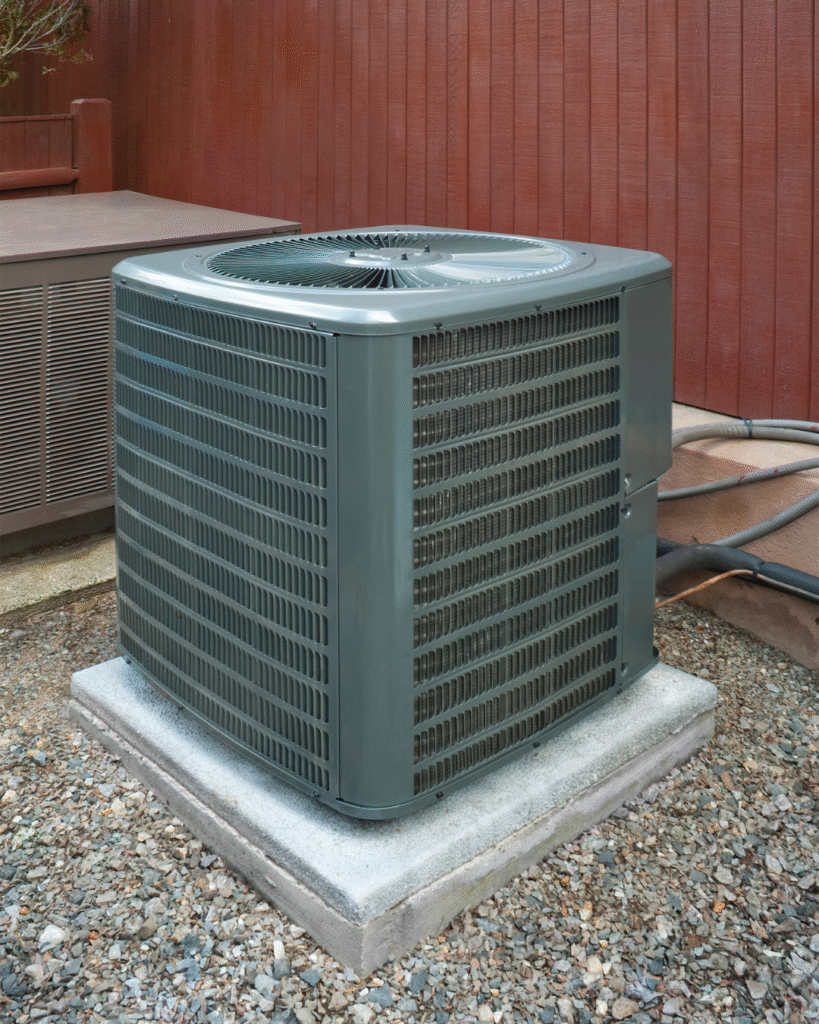
When your air conditioner starts showing its age, the question of whether to repair it or replace it is one of the most common and costly decisions a homeowner faces. Get it wrong in either direction and you either spend money on a dying system or replace equipment that had years of life left. The good news is that there is a straightforward way to evaluate your situation, and making the decision before peak summer in Thornton gives you the time and flexibility to do it right.
Why Timing Matters
Most homeowners put off this decision until something goes wrong, and that usually happens during the hottest stretch of summer. At that point, you are making a major financial decision under pressure, with limited appointment availability and no time to compare shops.
Evaluating your system in late spring gives you a clear picture of where things stand before extreme heat arrives. If replacement is the right call, you can schedule installation on your own timeline, explore equipment options, and avoid the premium costs that often come with emergency repairs or rushed installations during peak demand season.
A Practical Framework for Making the Decision
There is no single answer that works for every household, but evaluating three key factors will point most Thornton homeowners toward the right choice.
Factor 1: How Old Is Your System?
Age is one of the most reliable indicators of whether repair or replacement makes more sense.
Systems under 10 years old are generally good candidates for repair, especially if the unit has a solid history and may still have active manufacturer warranty coverage on parts. Systems between 10 and 15 years old require a closer look. A minor repair on a well-maintained unit in this range can be reasonable, but a major overhaul at this stage often delivers a poor return on investment compared to replacement. Systems over 15 years old are strong replacement candidates in most cases. At this age, efficiency has declined significantly, and if the system uses R-22 refrigerant, which is no longer manufactured, future repairs will become increasingly expensive as supply continues to shrink.
Factor 2: What Does the Repair Cost?
Two widely used guidelines help put repair costs in perspective.
The first is the 50% rule: if the cost of a single repair exceeds half the price of a comparable new system, replacement is generally the smarter financial move. The second is the age-times-cost calculation: multiply your system’s age in years by the estimated repair cost. If that number exceeds $5,000, upgrading tends to be the more cost-effective path. For example, a 12-year-old unit facing a $500 repair scores 6,000 on that scale, which leans toward replacement.
Recurring repairs are also worth factoring in. If you have been calling for service every summer, the cumulative costs over two or three years often exceed what a new system would have cost outright.
Factor 3: Comfort and Utility Bills
Performance and energy costs tell their own story. If your electric bills have been climbing without a change in your usage habits, your system is losing efficiency and costing you money every month it stays in service. Uneven cooling, rooms that never reach the right temperature, and excess humidity are also signs that the system is no longer performing as it should.
Pay particular attention if your technician finds a refrigerant leak in the evaporator coil. Repairs for this type of issue can run $3,000 or more. On a system that is already aging, investing that amount in a repair that does not address the underlying condition of the equipment rarely makes financial sense.
Steps to Take Right Now Before Summer Arrives
Whether you ultimately decide to repair or replace, there are actions worth taking today to protect your system heading into the heat.
Check and replace your air filter if it has not been changed recently. A clogged filter forces the blower motor to work harder, reduces airflow across the coils, and drives up energy consumption. During heavy summer use, checking it monthly is a reasonable habit.
Clear the condensate drain line. Algae and dust buildup can clog the drain over time, causing water to back up and trigger a system shutdown. Flushing it with distilled white vinegar or using a wet/dry vacuum is something most homeowners can handle on their own.
Clear the area around your outdoor condenser unit. Remove leaves, grass clippings, weeds, and any other debris that has accumulated around the unit. Restricted airflow around the condenser makes the system work harder to release heat, especially during high temperatures.
Schedule a professional system evaluation. Even if your system appeared to run fine last summer, a pre-season inspection by a licensed HVAC technician gives you an accurate picture of component health, efficiency, and whether any issues are developing. That information is exactly what you need to make a confident repair or replace decision.
Frequently Asked Questions
What is the average lifespan of a residential air conditioner in Thornton CO?
Most central air conditioning systems last between 15 and 20 years with regular maintenance. Systems in northern Colorado may experience additional wear from UV exposure, dry air, and temperature swings, so keeping up with annual maintenance is especially important for getting the most out of your equipment.
How do I know if my system uses R-22 refrigerant?
Check the data plate on your outdoor condenser unit. It will list the refrigerant type. If it shows R-22, your system is likely over 15 years old. R-22 is no longer manufactured in the United States, which means it is expensive and increasingly difficult to source. Any repair requiring refrigerant on an R-22 system will cost significantly more than it once did.
Can a new AC system really lower my energy bills?
Yes, significantly in many cases. Modern systems carry much higher efficiency ratings than units manufactured 10 to 15 years ago. Homeowners replacing older systems often see noticeable reductions in monthly cooling costs, particularly during the hottest months when the system runs continuously.
What should I expect during an AC installation in Thornton CO?
A professional installation includes a load calculation to determine the correctly sized system for your home, evaluation of your existing ductwork, safe electrical review, full system setup and calibration, and performance testing before the technician leaves. Proper sizing is critical because an oversized or undersized unit will not operate efficiently regardless of the brand.
Is spring really the best time to replace an AC system?
Late spring is ideal because installation crews have more scheduling availability, equipment lead times are shorter, and you avoid the urgency and potential premium costs of a mid-summer replacement. It also gives you time to research equipment options and get multiple quotes if you choose to do so.
What happens if I keep repairing an older system instead of replacing it?
Beyond the cumulative repair costs, an aging system running inefficiently puts strain on components like the compressor, which is the most expensive part of the unit to replace. Continued repairs on a declining system can result in a compressor failure that either forces an emergency replacement at the worst possible time or makes the total repair cost exceed what a new system would have cost from the start.
Get an Expert Opinion Before the Summer Rush
The repair or replace decision does not have to be a guessing game. A professional evaluation from a licensed HVAC technician gives you the facts about your system’s condition, efficiency, and remaining lifespan so you can make a confident, informed choice.
Royal Services Plumbing, Heating and Air provides professional AC installation and system evaluations throughout Thornton CO. Whether your current system needs a targeted repair, a pre-season tune-up, or a full replacement before summer arrives, our team is ready to give you straightforward guidance and quality workmanship.
Contact Royal Services Plumbing, Heating and Air today to schedule your AC evaluation or get a quote on AC installation in Thornton CO.